When it comes to getting your kids to eat more fruits and vegetables, you might find a food battle can be won with juice. While juice may be a favorite for kids, choosing the “best” juice leaves a tough proposition for parents. And to complicate things further concerning fruit juice and your child’s health, you’ve likely heard a few con’s about the subject from other parents or an article you read online.
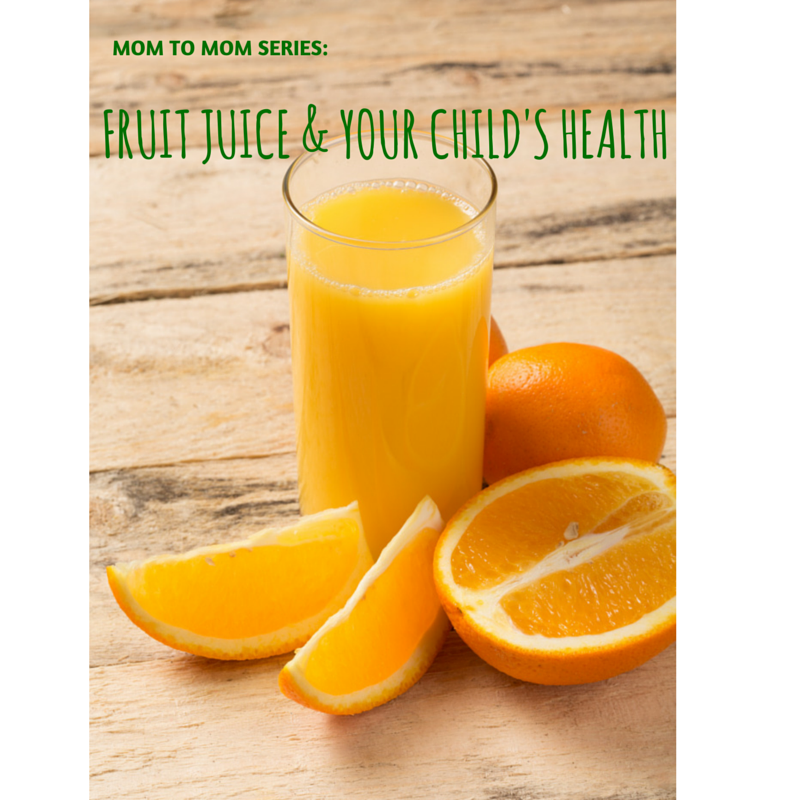
Where do I stand? The Dietary Guidelines for Americans tells us that 100% fruit or vegetable juice counts as one serving of fruits or vegetables. Additionally, according to the American Academy of Pediatrics, intake of fruit juice should be limited to 4 to 6 ounces per day for children 1 to 6 years old. For children 7 to 18 years old, juice intake should be limited to 8 to 12 ounces, or 2 servings per day. I consider juice to be nutrition insurance for the days when Joey throws his orange across the room instead of eating it.

My biggest concern with juice comes to decoding the labels and choosing the best brand. For many, the word “juice” sounds healthy enough. But like all foods in the grocery store, we should pay attention to the nutrition facts label to see what’s really inside the bottle, box, or can. So what should you keep an eye out for when you want to add a serving of fruit or vegetable juice to your child’s diet? Here’s my guide:
100% Fruit Juice
A label that displays 100% fruit or vegetable juice includes just that: pure juice. The only way to ensure that you are purchasing pure juice is to read the label. It’s important to note that 100% juices may have as many calories as sodas and other sweetened soft drinks, but they also contain vitamins, minerals, phytochemicals and some fiber.
Fruit Juice From Concentrate
Store bought fruit juice concentrates takes a few more steps in production than not-from-concentrate juice. The concentrate process involves both adding and subtracting certain chemicals and natural fruit byproducts in order to provide a more condensed version of fruit juice. The process occurs to extend the shelf life of the fruit juice while maintaining color, flavor and nutritional content within the juice.
Light, Sugar Free, or Diet Fruit Juice
You might be tempted to save calories by drinking a “light” juice option. While these products do cut calories, most have fewer nutrients and contain artificial sweeteners. If you opt for a lighter version, make sure it has at least 50 percent juice; this way you’re getting some nutrients.
Cocktail, Juice, or Fruit “Drink”
Buyer’s beware: these items contain as little as 10-15% juice, with the rest being sugar, water, high-fructose corn syrup and other additives. To eliminate a significant amount of (added) sugar in your diet, steer clear of these products.
When in Doubt, Keep Offering Fresh
Juice can be a handy way to increase your child’s vitamins and minerals, but it often is much higher in calories than the whole-fruit version. Fruits (and vegetables for that fact) in their whole form also have more fiber than juice, and juice costs more than whole fruit when it’s in season. Juice may seem like an easy alternative, but continue to offer fresh first!